Hump Day Respawn: Why We Keep Coming Back to Games
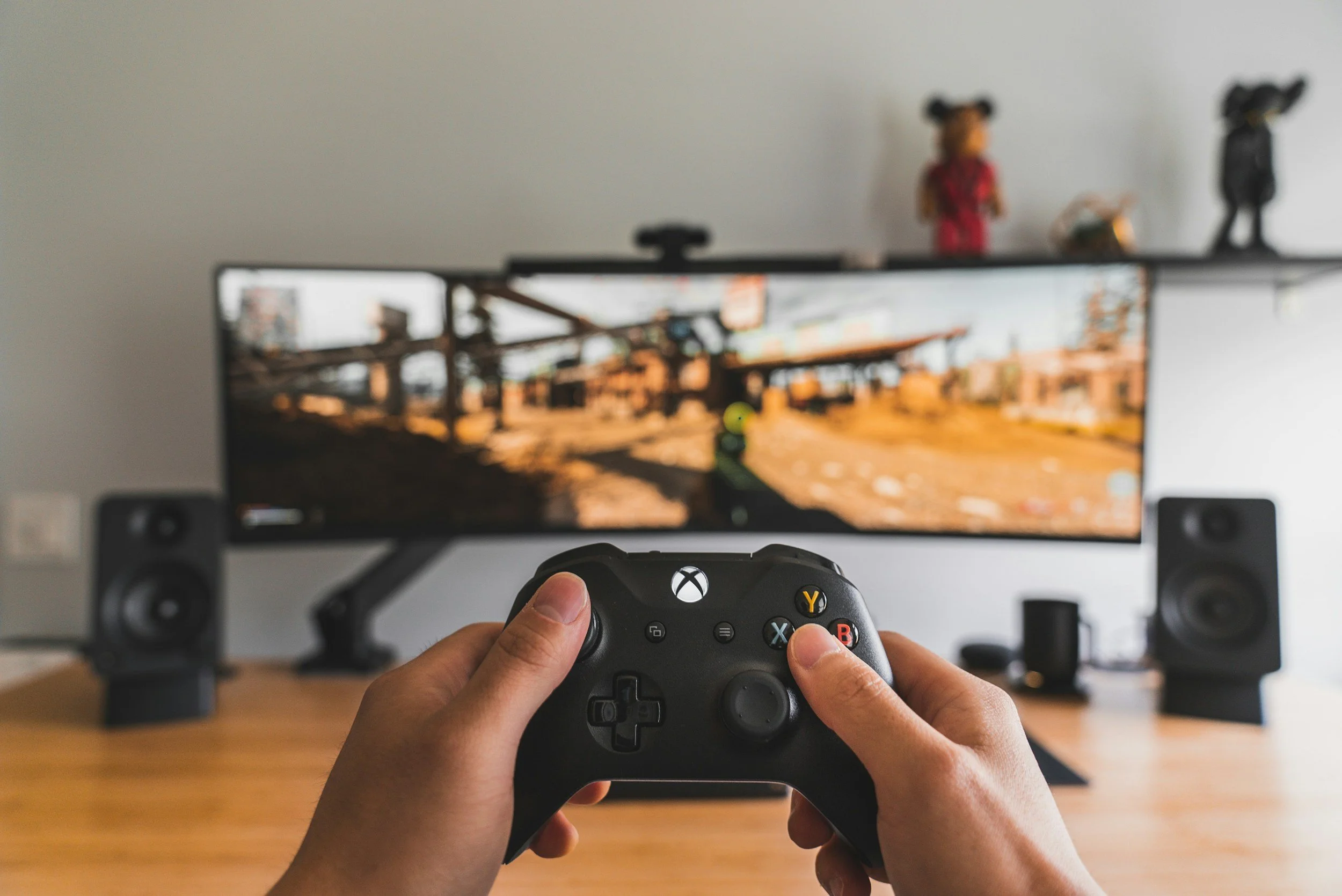
Every gamer has a reason they return. It might be the comfort of a familiar world, the challenge of finally beating a difficult level, or the simple pleasure of spending an hour with friends. Games can offer all of those things at once, and that variety is part of their lasting appeal.
One powerful draw is progress. A game gives us clear signals that practice is paying off: a new skill, a tougher opponent defeated, a map opened up, or a strategy that finally clicks. Progress does not need to be fast to feel good. Sometimes the most satisfying moment is realizing that something which once seemed impossible now feels natural.
Games also invite curiosity. Players wonder what is around the next corner, how a system works, or whether a different choice could lead somewhere new. That sense of discovery can make even a quiet game absorbing. In story-driven games, curiosity may be about characters and consequences. In a puzzle or strategy game, it may be about finding the missing piece.
Then there are the memories we make with other people. A close match, a ridiculous mistake, or an unexpected comeback can become a story friends tell for years. Even single-player games can become social when we share recommendations, compare approaches, or watch someone else experience a favorite moment for the first time.
There is no single correct reason to play. We return because games give us room to compete, create, explore, relax, and connect. Knowing what you enjoy most can help you find better experiences—and make the time you spend playing feel more rewarding.